

GLP-1 drugs such as semaglutide are reshaping treatment of obesity, diabetes and cardiovascular disease with broader physiological effects now emerging.
By Lauren Arcuri
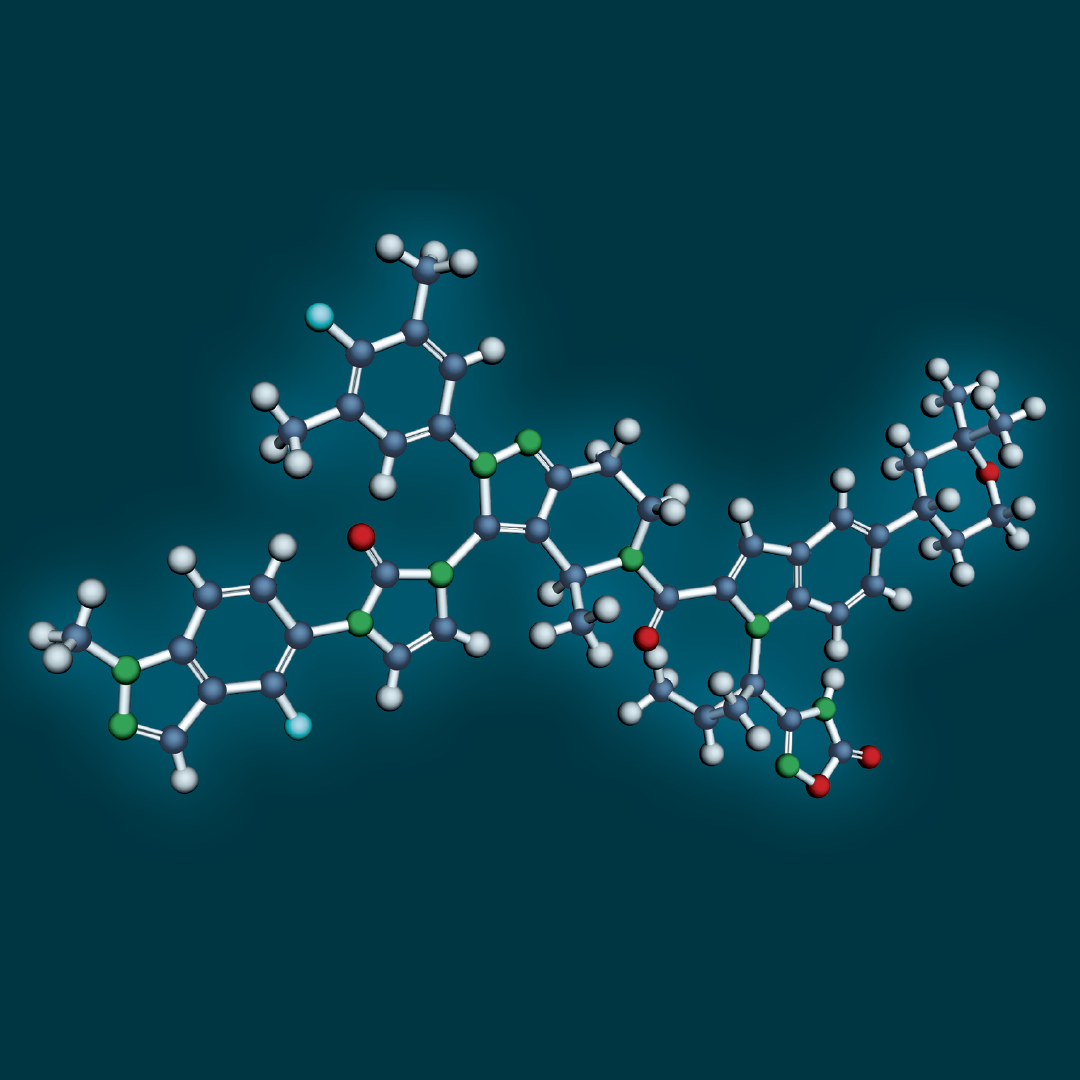
Glucagon-like peptide-1 (GLP-1) receptor agonist drugs such as semaglutide and tirzepatide were originally developed to treat type 2 diabetes. Over the past few years, however, they have surged in popularity, largely because of their remarkable effectiveness for weight loss. A November 2025 KFF Health Tracking Poll found that roughly 1 in 8 U.S. adults is now taking a GLP-1 drug for weight loss, diabetes or another indication.
At a basic level, GLP-1 receptor agonists work in two well-established ways: They slow gastric emptying, and they act on the brain’s appetite-regulation centers to reduce food intake. Many people describe the drugs’ effects not simply as appetite suppression, but as a quieting of persistent “food noise.”
But as clinical trials expand and preclinical research continues, evidence is accumulating that these medications exert much broader physiological effects than previously thought. Researchers are finding that GLP-1 agonists influence multiple pathways involved in inflammation, cardiovascular health, mood, motivation and reward—benefits that appear to extend beyond the downstream effects of weight loss alone.
Although scientists do not yet fully understand the mechanisms underlying these wide-ranging actions, a clearer picture is beginning to emerge. In some cases, results from large human trials are already in. In others, promising findings from animal studies are driving new clinical investigations.
In 2025, semaglutide received approval from the U.S. Food and Drug Administration (FDA) for reducing cardiovascular and kidney disease risk after a major study showed significantly lower rates of heart attack and stroke among people with type 2 diabetes and established atherosclerosis.
For other potential indications such as substance use disorders or depression, more randomized controlled trials in humans are still needed. Nevertheless, the consistency of preclinical findings has fueled optimism that GLP-1–based therapies may ultimately find uses far beyond diabetes and obesity.
Affordability and Other Barriers
Despite their popularity, access to GLP-1 medications remains uneven. More than half of respondents in the KFF poll reported that the drugs were difficult to afford, and 1 in 4 described them as very difficult to afford. While many insurance plans cover GLP-1 agonists for type 2 diabetes, coverage is far less consistent when the primary indication is weight loss.
In January 2026, Novo Nordisk, the makers of Ozempic (semaglutide), released the drug as daily oral pill. The pill is far less expensive to produce and does not require refrigeration like the injectable form. The cost is also much less expensive than the injectable, potentially making the therapy accessible to more people who would not qualify for insurance to cover it.
Cost and side effects are the most common reasons people discontinue treatment. Gastrointestinal symptoms—including nausea, vomiting, dizziness and headaches—are frequent, particularly during dose escalation. Nausea is the most commonly reported adverse effect.
There are additional concerns. Multiple analyses show that when treatment is stopped, most people regain some or all of the weight they lost—sometimes more—and that the cardiometabolic benefits do not persist off-drug.
In addition, although earlier GLP-1 medications have been used safely for decades in people with diabetes, the long-term effects of lifelong use of newer, more potent agonists remain unknown. Clinicians are also cautious about prescribing these drugs to individuals with a history of eating disorders, where appetite suppression and weight loss may trigger relapse.
The History of GLP-1s
GLP-1 is an endogenous hormone that lowers blood glucose levels after eating. It was independently identified in the 1980s by two research groups, including one led by Danish physician and physiologist Jens Juul Holst, MD, DMSc, at the University of Copenhagen. Holst’s laboratory played a central role in characterizing the active intestinal form of GLP-1, demonstrating its therapeutic potential in diabetes, as well as obesity treatment, and developing early drug analogs.
A major challenge was that native GLP-1 is rapidly degraded—within about two minutes—by the enzyme dipeptidyl peptidase-4 (DPP-4). To create viable therapeutics, researchers had to engineer GLP-1 analogs that resist enzymatic breakdown and persist long enough to exert physiological effects.
The first FDA-approved GLP-1 receptor agonist, exenatide, was introduced for type 2 diabetes in 2005 and required twice-daily injections. Clinicians soon noticed that many patients experienced substantial weight loss, often without intentional dietary changes. Exenatide also improved glucose stability compared with other diabetes medications available at the time, though nausea was common during treatment initiation.
Over the next two decades, formulations evolved toward longer-acting, once-weekly injections with greater potency. When semaglutide was tested in obesity trials, participants lost an average of about 15% of their body weight—far exceeding the results seen with earlier anti-obesity drugs. This marked a turning point, shifting GLP-1 agonists from diabetes-focused therapies to primary obesity treatments.
More recent agents include dual agonists such as tirzepatide, which activates both GLP-1 and glucose-dependent insulinotropic polypeptide (GIP) receptors and produces even greater weight loss. Triple, quadruple and quintuple agonists are now in development, as is an expanded range of oral formulations.
Effects on Food Intake and Metabolism
From the outset, GLP-1 agonists were known to lower blood glucose by stimulating insulin secretion and reducing food intake. Crucially, they trigger insulin release only when glucose is already present in the bloodstream, minimizing the risk of dangerous hypoglycemia seen with some older diabetes drugs.
What has become clearer is just how widely GLP-1 signaling is distributed throughout the brain. “Originally, GLP-1 likely evolved to control metabolism or processes linked to feeding status,” says Karolina Skibicka PhD, professor of nutritional neuroscience at the Hotchkiss Brain Institute, University of Calgary. “What we’ve learned is that GLP-1 acts on widely distributed but metabolically relevant brain circuitry. That broad action is probably one of the biggest reasons for its success—it’s not targeting a single neuronal population or process.”
Most of the GLP-1 molecules cannot cross the blood–brain barrier directly. Instead, peripherally administered GLP-1 analogs access the brain via circumventricular organs—regions bordering the third and fourth ventricles where the barrier is specialized to permit signaling between blood and cerebrospinal fluid. The neurons in these areas that express the GLP-1 receptor interact with GLP-1 analogs, indirectly influencing central circuits.
Within the hypothalamus, GLP-1 interacts with pro-opiomelanocortin (POMC) neurons in the arcuate nucleus (it seems to have limited direct access here), a classic site involved in appetite regulation and energy expenditure. But, Skibicka notes, this is only one of many relevant sites.
GLP-1 also acts in the hindbrain, particularly in the caudal nucleus of the solitary tract, which integrates visceral sensory information and stress signals. “It’s a really important site of effect,” she says. This nucleus is the first stop for all the signals coming from the gastrointestinal tract via the vagus nerve, and it’s directly connected to many other brain areas controlling feeding. “The influence of GLP-1 analogs there can quickly spread throughout the brain,” Skibicka says.
Beyond these regions, relevant GLP-1 receptor populations have been identified in at least 10 additional brain areas, pointing to physiological roles that extend well beyond feeding.
Effects on Reward Circuits
One of the most intriguing findings is GLP-1’s interaction with the brain’s mesolimbic reward system. GLP-1 receptor-expressing neurons are located near dopamine cell bodies and communicate directly with dopamine circuits involved in motivation and reward. Peripherally administered GLP-1 thus indirectly activates neurons of the amygdala.
“The mesolimbic system is very much wired to listen to GLP-1,” Skibicka says. “That’s hugely important for feeding behavior and cravings. Many people report that food no longer drives their thoughts or behavior in the same way.”
In 2012, Skibicka’s lab was the first to demonstrate reduced alcohol reward and motivation in animal models treated with a GLP-1 analog. Since then, hundreds of preclinical studies have reported reduced intake, reward or relapse across a wide range of substances, including alcohol, nicotine, cocaine, amphetamines and opioids. Human trials are ongoing, but even modest effects in opioid use disorder could be clinically meaningful given the favorable safety profile of GLP-1 drugs compared with existing treatments.
Effects on the Brain
GLP-1 receptors are also present in brain regions involved in emotional regulation. Receptors in the amygdala suggest potential interactions between GLP-1 signaling and anxiety or stress processing. Others are located in the dorsal raphe nucleus, which produces nearly all of the serotonin used by the forebrain—the same neurotransmitter system targeted by selective serotonin reuptake inhibitors.
“It’s a very active circuit and very ready to respond to GLP-1,” Skibicka says. Her lab has shown that GLP-1 signaling through serotonin neurons contributes to reduced food intake, and animal studies suggest broader effects on mood and emotionality.
In preclinical models, chronic GLP-1 administration improves depression-like behaviors even in lean animals, an effect not mediated by weight loss. Clinically, many patients report fewer depressive symptoms while taking GLP-1 agonists, sometimes alongside reduced antidepressant use. However, some studies have reported neutral or negative mood effects, underscoring the need to understand individual variability.
GLP-1 receptors are also found in the hippocampus, a key structure for learning and memory. This has raised interest in potential applications for Alzheimer’s disease and other neuro-degenerative conditions. Although a recent clinical trial failed to show significant benefit, Scott Kanoski, PhD, professor of biological sciences at University of Southern California, cautions against closing the door on this area.
“Some of the earlier GLP-1 compounds appear to access the brain more readily than semaglutide,” Kanoski says. “And preclinical models consistently show benefits for Alzheimer’s-like pathology.”
In addition, “a combination of their anti-inflammatory effects and effects on the vasculature likely explain some of the beneficial effects on dementia reported in observational studies,” Holst says.
Beyond the nervous system, GLP-1 signaling intersects with immune regulation. Multiple studies have shown reductions in inflammatory markers among people taking GLP-1 agonists, and patients frequently report improvements in inflammation-related conditions.
“You see profound effects in organ systems that don’t themselves express GLP-1 receptors,” Holst says. In the gut, intraepithelial lymphocytes express high levels of GLP-1 receptors and can influence broader immune responses. These pathways are well-characterized in rodent models, though further confirmation in humans is needed.
More Research Questions
As researchers map GLP-1 receptor distribution, they are also searching for unifying mechanisms that could explain the drugs’ systemic effects. “One pathway that may be underappreciated is the vagus nerve,” Kanoski says. Endogenous GLP-1 released from the gut acts directly on vagal afferents, which relay information from the abdomen to the brain and regulate multiple physiological systems.
GLP-1 receptors are also expressed in blood vessels, suggesting effects on vascular function and circulation. Holst suspects this may help explain how GLP-1 agonists influence organs that lack direct receptor expression, including parts of the central nervous system. “If you maintain or improve the circulatory system, you can also help organ function,” he says.
Despite their effectiveness, GLP-1 therapies are not without limitations. Gastrointestinal side effects lead some patients to discontinue treatment, and weight regain after stopping therapy is common. A recently published study in The British Medical Journal found that overweight or obese adults regained the weight they had lost within 1.7 years once they stopped taking the drugs. The cardiometabolic benefits of lower HbA1c, fasting glucose, lipids and blood pressure also disappeared by 1.4 years post-treatment.
“It’s predictable,” Holst says. “But it means it’s even more important to plan what happens after weight loss—dietary change and physical activity remain essential.”
Ongoing research is exploring maintenance-phase strategies, lower dosing and alternative compounds that might preserve metabolic benefits while minimizing side effects.
One major research goal is to separate appetite suppression from nausea. In some brain regions, GLP-1 receptor activation triggers both effects, but in others, like the hippocampus or the ventral tegmental area, food intake reduction occurs without nausea.
“This tells us it’s possible to dissociate these effects,” Kanoski says, “and that’s exactly what we want.”
Sex differences are another active area of investigation. Skibicka’s lab has found that women, on average, lose more weight than men on equivalent doses, possibly due to interactions between GLP-1 signaling and estrogen.
Long-term safety remains a central question. While earlier GLP-1 drugs have decades of data behind them, newer high-potency agonists and multi-agonist combinations will require extended monitoring as their use expands.
GLP-1 receptor agonists have reshaped how clinicians and researchers think about metabolic disease, revealing a hormone system that links appetite, reward, emotion, inflammation and cardiovascular health. What began as a strategy for controlling blood sugar has evolved into a window into deeply integrated physiological networks.
As research continues to clarify mechanisms, refine formulations and define long-term risks and benefits, GLP-1–based therapies may ultimately serve as a model for a new generation of treatments—ones that work not by targeting a single pathway, but by engaging the body’s interconnected systems as a whole.
This article was originally published in the March 2026 issue of The Physiologist Magazine. Copyright © 2026 by the American Physiological Society. Send questions or comments to tphysmag@physiology.org.
Women, on average, lose more weight than men on equivalent doses, possibly due to interactions between GLP-1 signaling and estrogen.
The Physiologist Magazine
Read the Latest Issue
Don’t miss out on the latest topics in science and research.

Contact Us
For questions, comments or to share your story ideas, email us or call 301.634.7314.