

Rethinking Success in Academic Science
A physiologist reflects on career mobility, family and whether staying in one place should be seen as a lack of ambition in academic science.
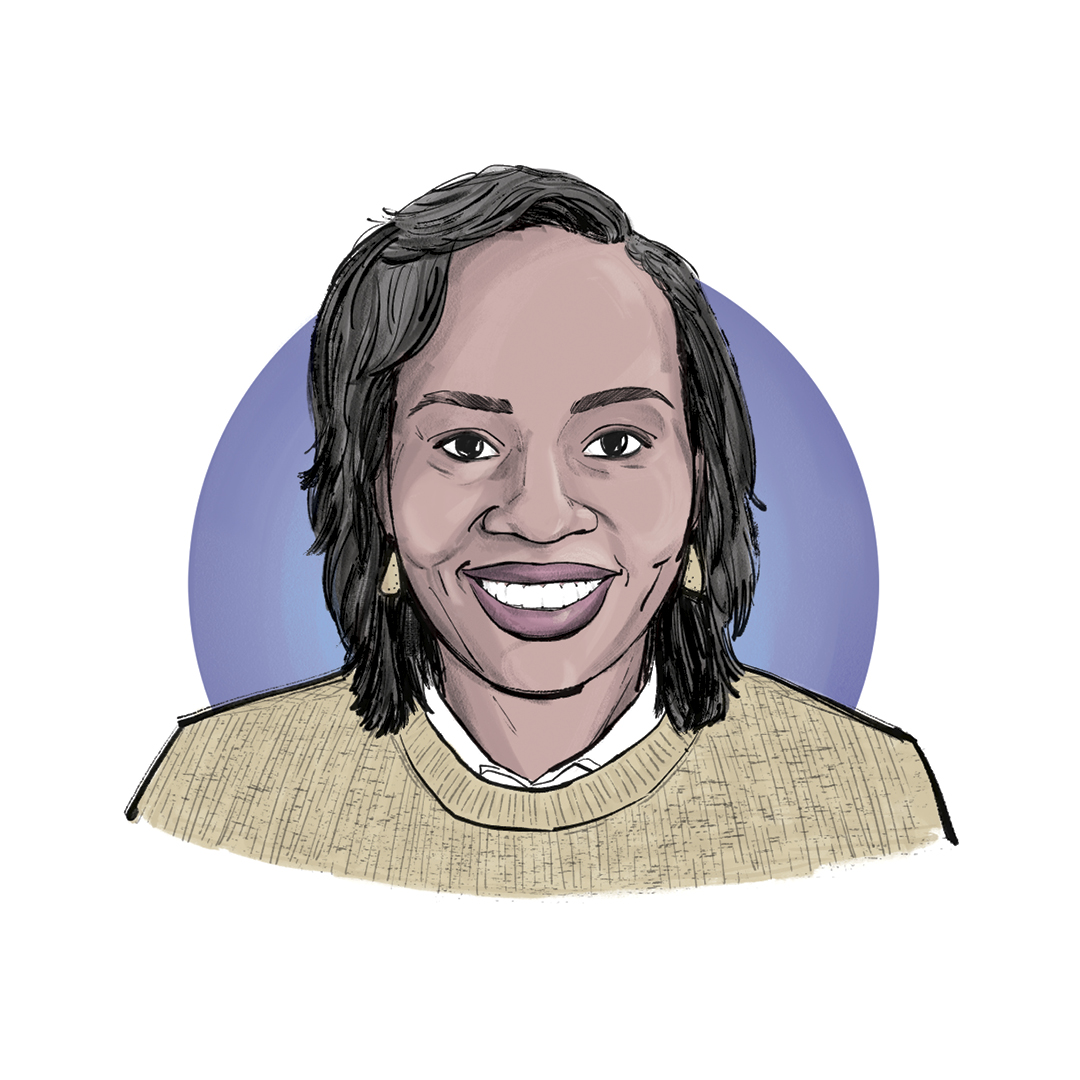
By Keisa W. Mathis, PhD
Early in my scientific training, I learned that success in biomedical science often came with an unspoken rule: You were expected to keep moving. Undergraduate students were encouraged to leave their home institutions for graduate school. Graduate students were expected to train elsewhere as postdoctoral fellows. Even later, the message lingered that real advancement required another move. Staying was possible, but it was rarely encouraged.
At the time, this way of thinking felt reasonable. As a young trainee, I believed mobility meant growth. I left home for graduate school because I wanted to see what else was out there, both professionally and personally. Eventually, however, I returned to my home state to complete my PhD in physiology. Being closer to family mattered more to me than I had anticipated. When I finished my degree, though, it was clear that if I wanted a future in academia, I would need to leave again.
By the time I began my postdoctoral training, I was married and thinking seriously about starting a family. During those years, I had children, secured fellowship funding and began building an independent research program. I was also building something else that I had not planned for: We formed a village. Friends from daycare, colleagues, neighbors and members of our church became the people who helped us raise our children. We lived far from extended family, and that sense of community became essential.
When it was time to move again for a faculty position, I did what many scientists do: I weighed opportunities, research and institutional fit, and the resources needed to succeed. I also felt the weight of leaving behind a community we had worked hard to build. Starting over was necessary, but it was not easy. The idea of moving again felt heavier—not because I lacked ambition but because our village and stability had become a source of strength.
What strikes me now is how often this question still comes up. In the past year, I have had conversations with multiple postdocs trying to decide whether staying in place will quietly count against them. They are asking thoughtful questions about family, finances and sustainability, yet they still worry that choosing stability may be interpreted as a lack of commitment to science.
I have also watched colleagues who chose to stay, training and advancing at the same institution. Many of them thrived. They became well-funded, deeply connected and often rose into leadership roles. Their longstanding knowledge of their institutions, the people, the systems and the culture allowed them to move efficiently and lead effectively.
This is not an argument against mobility. Training in different environments can be incredibly valuable and broaden perspectives. However, mobility should be a choice, not a measure of dedication or success. When staying is quietly viewed as a lack of ambition, we risk pushing out talented scientists who value stability, caregiving or community.
If physiology is to remain a field that attracts and retains strong scientists, we may need to reconsider what progress looks like. Excellence is not defined by how often we move but by the quality of our work, the care we bring to mentoring and the impact we make. To trainees navigating this decision now know that building a meaningful career does not require leaving behind the life you are also trying to build.
Keisa W. Mathis, PhD, is an associate professor at UT Southwestern Medical Center in Dallas, where she studies neuroimmune mechanisms in chronic inflammatory diseases, including hypertension and systemic lupus erythematosus.
This article was originally published in the March 2026 issue of The Physiologist Magazine. Copyright © 2026 by the American Physiological Society. Send questions, comments or column ideas to tphysmag@physiology.org.
“Mobility should be a choice, not a measure of dedication or success.”
The Physiologist Magazine
Read the Latest Issue
Don’t miss out on the latest topics in science and research.
Contact Us
For questions, comments or to share your story ideas, email us or call 301.634.7314.