

How to Stay Motivated in Challenging Times
Get insights on staying curious, navigating funding pressures and balancing life changes while advancing meaningful physiology research.
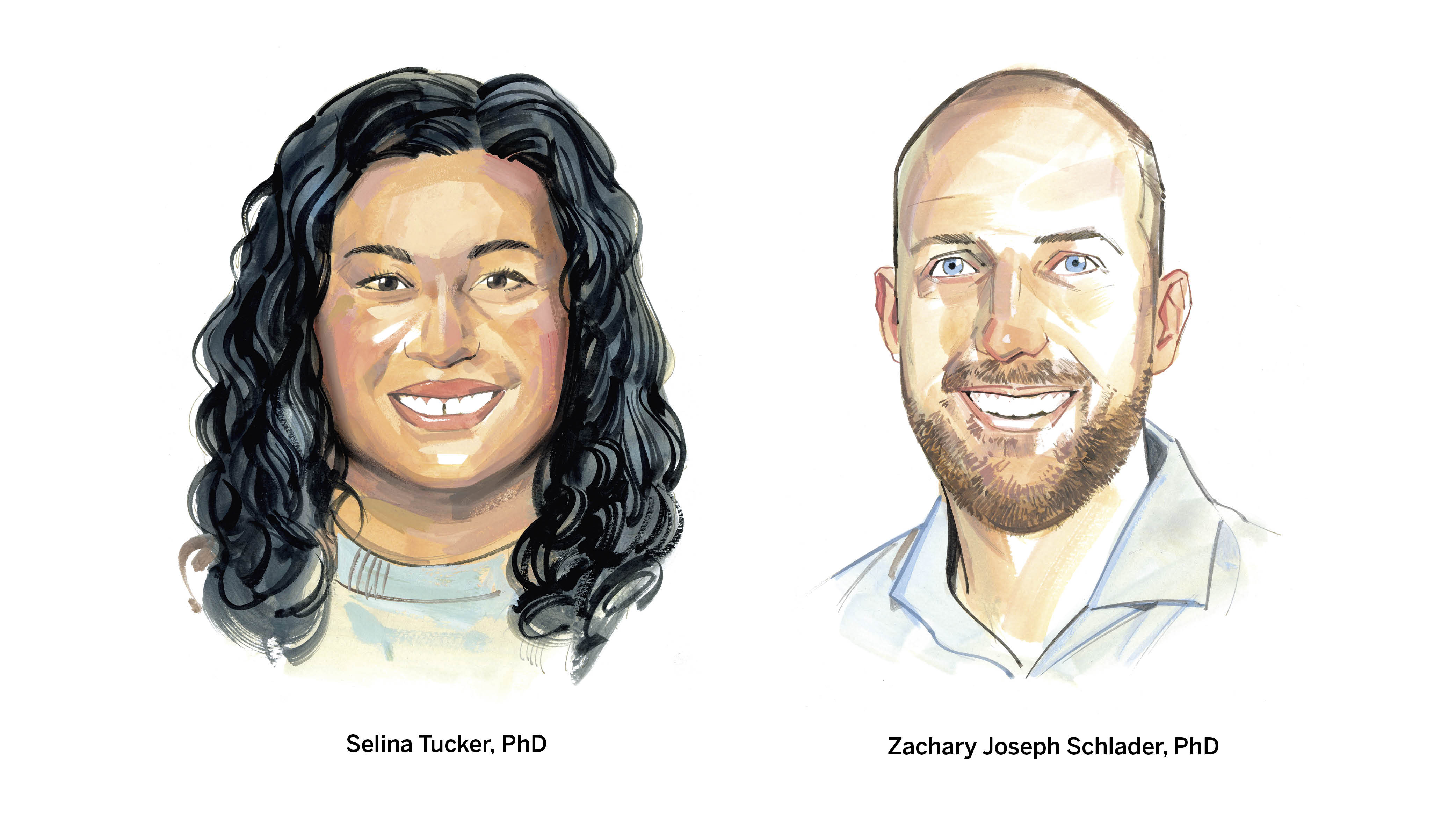
Zachary Joseph Schlader, PhD, associate professor in the Department of Kinesiology at Indiana University School of Public Health-Bloomington, talks about how to keep moving forward when facing funding and other pressures.
Q: How do you foster curiosity within research while ensuring your projects are fundable and meaningful?
A: For me, these two aspects usually go hand in hand. I enjoy coming up with new questions, testing hypotheses and seeing the outcomes. Often, curiosity leads to meaningful questions that can turn into fundable projects. As part of these larger projects, however, we encourage our lab members and students to think creatively and explore their own questions. This way, the funded project gives us the freedom and resources to nurture curiosity that may or may not yet be fundable.
Q: What points of your career stand out as the most memorable?
A: First, as a master’s student in exercise physiology, I was unsure about my career path (research, medical school, physical therapy school?). One summer, I was hired to work on a project studying chocolate milk for exercise recovery. I spent countless hours in the lab making virtually no money, but I loved it! The team atmosphere of data collection and the thrill of answering new questions were exciting. That summer, I realized I wanted to pursue a PhD and a career in research.
Second, as a postdoc at the Institute for Exercise and Environmental Medicine, I learned from some of the best physiologists in the world. The experience was like a baptism in how to conduct impactful physiology research. It strengthened my passion for research and my goal to make meaningful contributions, with the ultimate goal of improving the human condition.
Q: How do you navigate the growing public spread of scientific misinformation as a scientist?
A: This is a great question, and I wish I had a perfect answer. It’s something I struggle with too. One thing I’ve learned from talking to people in industry and the media is the importance of peer-reviewed publications. To combat scientific misinformation, we need to rely on data, and the best way to ensure accurate conclusions from that data is through peer review. So this is my plan.
Q: How would you recommend navigating large life changes in your personal life that might affect your science career?
A: I don’t follow the idea of work-life balance because it separates work and personal life as if they’re competing. Instead, I believe in work-life integration. Sometimes personal life demands more time and energy, but it doesn’t necessarily take away from career growth. In fact, having a good personal life, including enthusiastically embracing big changes, enhances career development because it helps put work in perspective. This has been shown to improve decision-making, enhance motivation, cultivate strong and productive relationships, and promote work satisfaction.
Q: What is your biggest motivation to keep going?
A: Scientific research is often selfless. While it helps our careers and benefits our lab groups, institutions and our field, it ideally has a much larger impact on people in need and society as a whole. Even when it feels like we’re facing constant challenges, I stay motivated by remembering that our work ultimately helps people. That’s what keeps me going.
Got a career question you'd like to submit? Email it to tphysmag@physiology.org. We may use it in an upcoming Mentoring Q&A.
This article was originally published in the May 2025 issue of The Physiologist Magazine. Copyright © 2025 by the American Physiological Society.
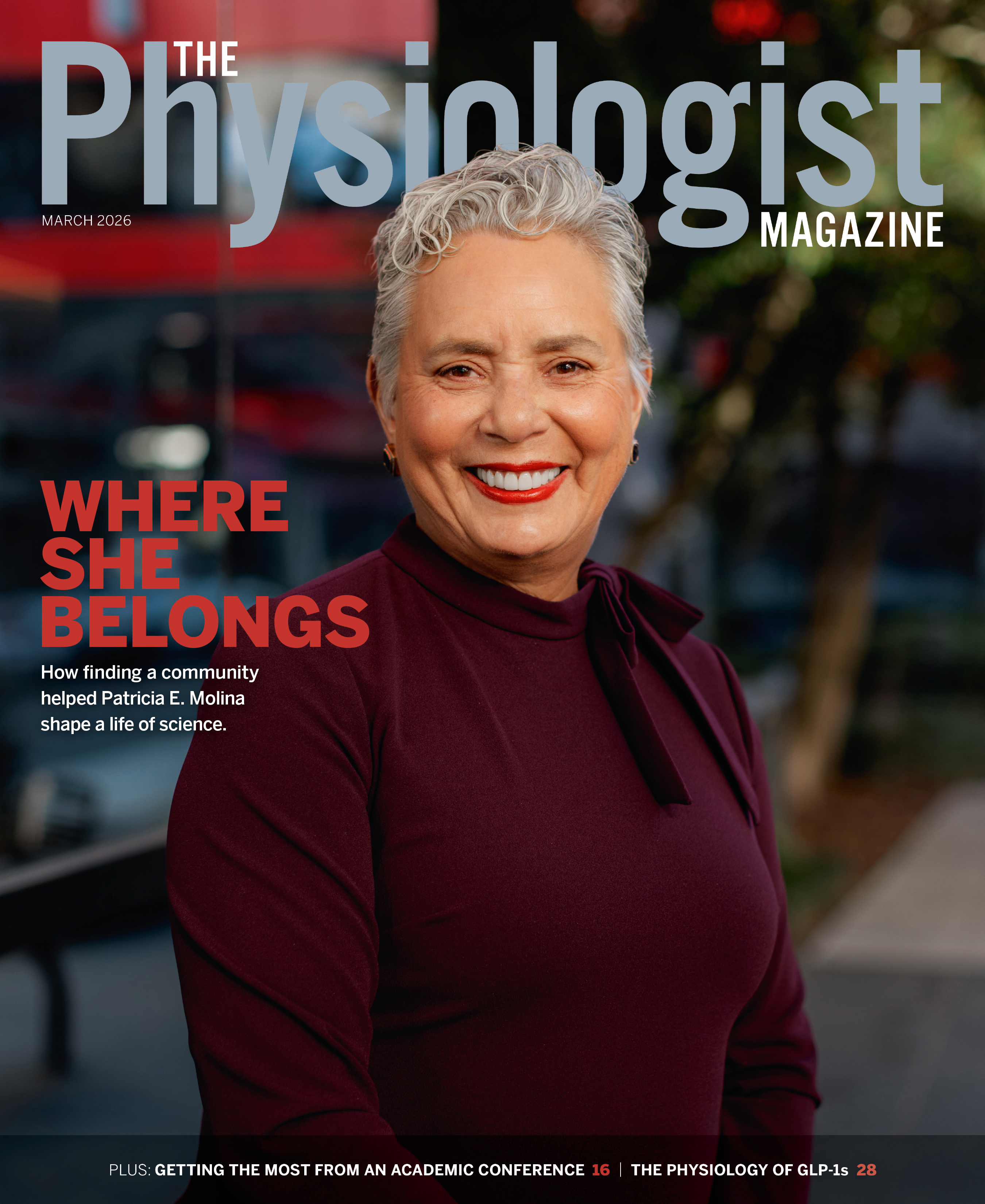
The Physiologist Magazine
Read the Latest Issue
Don’t miss out on the latest topics in science and research.
Contact Us
For questions, comments or to share your story ideas, email us or call 301.634.7314.