

Navigating Open Access and New Licensing Options
Learn how APS is advancing open access publishing with S2O, offering authors new Creative Commons licensing options to align with funder requirements and research goals.
The landscape of open access has evolved significantly over the years. APS has been there every step of the way, creating initiatives that prioritize author needs and funder requirements. From hybrid open access in the early 2000s to Read-Publish-Join agreements in 2021, APS has continually adapted to support its communities.
Now, with the launch of Subscribe to Open (S2O) in 2025, APS is expanding its licensing options for authors, offering greater flexibility and control. Through S2O, APS authors can now select from three Creative Commons (CC) licenses: CC BY, CC BY-NC and CC BY-NC-ND. This marks an important step in empowering researchers to share their work while aligning with funder mandates.
What Are Creative Commons Licenses?
CC is an international nonprofit that facilitates the sharing and reuse of creative works. The licenses are designed to promote the dissemination of knowledge while allowing authors to retain copyright. Choosing the right license boils down to your goals and funder requirements.
CC BY. The most permissive license, CC BY allows others to distribute, remix, adapt and build upon the work, even for commercial purposes, as long as the original author is credited. Many funders designate CC-BY as the only license allowed for compliance with their open access mandates. This license even allows for commercial reuse.
CC BY-NC. The reuse terms are nearly identical to CC BY, but there is an added restriction: Only noncommercial uses of the work are permitted. Under APS open access publishing terms, authors retain the copyright of their work, so the CC BY-NC terms protect authors’ commercial interests in their published text and images. For example, when APS transitioned Advances in Physiology Education to a no-cost open access model, it adopted CC BY-NC to safeguard physiology educators’ instructional materials while enabling open sharing for educational purposes.
CC BY-NC-ND. This license restricts commercial reuse and also prohibits sharing of derivatives. ND, or “no derivatives,” means that if you “remix, transform or build upon the material, you may not distribute the modified material.” As limiting as this license sounds, it allows for the redistribution of the original material, ideal for authors who want to ensure their work is shared but not altered.
Supporting Author and Funder Needs
APS’ expanded licensing options reflect a shift in open access publishing—acknowledging that one size does not fit all. While CC BY remains the most popular and widely required license, many authors and funders recognize the importance of protecting commercial rights or maintaining the integrity of original works. For authors navigating these choices, it’s crucial to consider the requirements of their funding bodies. Most funders outline specific licensing mandates, which can often be found on their websites.
Why Subscribe to Open Matters
By adopting S2O, APS gives authors eligible for open access the opportunity to publish their work without additional fees while selecting the licensing option that best fits their needs. This combination of flexibility and accessibility ensures that APS continues to champion innovation and inclusivity in publishing.
This article was originally published in the March 2025 issue of The Physiologist Magazine. Copyright © 2025 by the American Physiological Society. Send questions or comments to tphysmag@physiology.org.
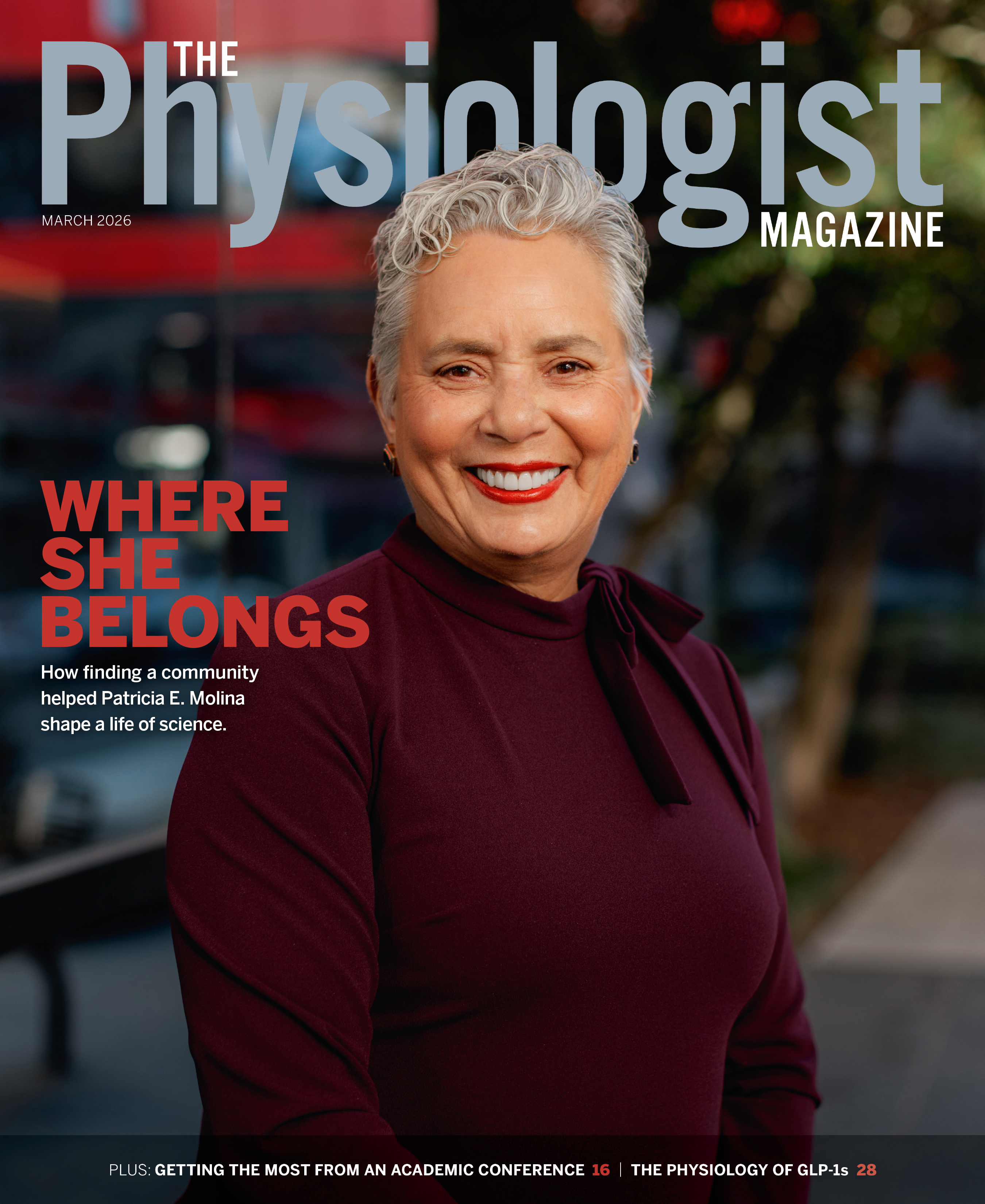
The Physiologist Magazine
Read the Latest Issue
Don’t miss out on the latest topics in science and research.
Contact Us
For questions, comments or to share your story ideas, email us or call 301.634.7314.