

How Gut Microbes Shape Blood Pressure and Drug Response
This researcher appreciates being able to explore his hypotheses every day.
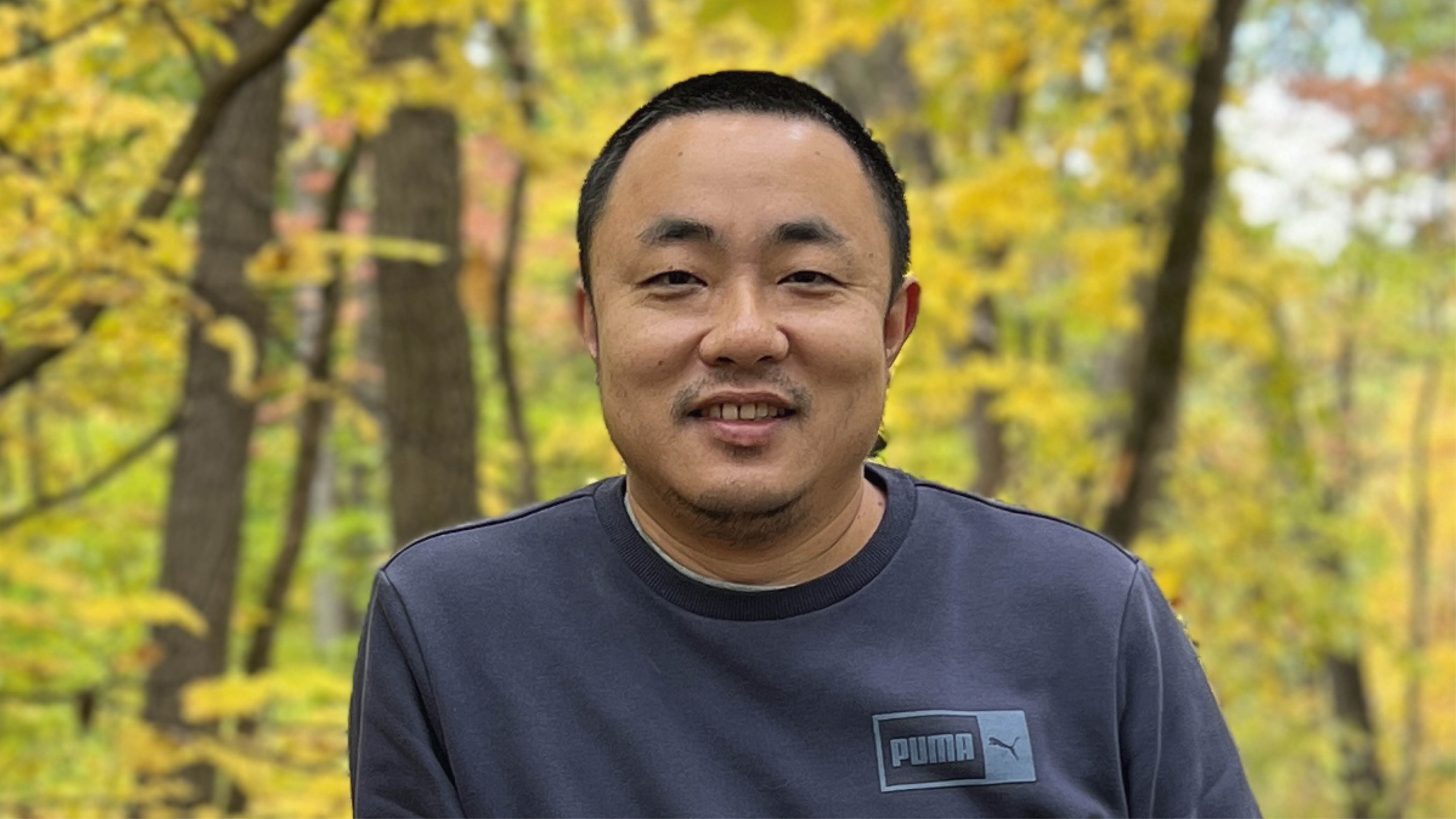
Tao Yang, PhD, is an assistant professor in the Department of Physiology and Pharmacology at the University of Toledo. His lab investigates how specific microbes influence blood pressure, affect antihypertensive drug metabolism and contribute to sex differences in gut microbiota and hypertension.
Craving novelty. I always wanted to be a teacher, since childhood, but during college, I realized that what I craved most was novelty. While I enjoyed explaining concepts and sharing knowledge, I felt more excited and enthusiastic about discovery and problem-solving. Science allows me to approach problems differently every day, apply my ideas in real time and continuously challenge myself.
Meeting a pioneer. If I could meet anyone in science, it would be Jeffrey Gordon, MD, Washington University in St. Louis. He is a pioneer in gut microbiota research. I would like to have a casual, in-depth conversation with him, which would provide insights into both his scientific journey and his perspective on the field’s future. I’d love to hear him talk about his early inspirations or how he navigated the shifts in microbiome research, or hear his thoughts on the clinical applications of microbiota-based therapies.
Exploration and imagination. My favorite part of the job is the opportunity to explore something new every day. It’s not a repetitive role—I am constantly thinking of ways to test my hypotheses. Sometimes, we even get to use our imagination, which is rare in many professions.
The necessary grind. My least favorite part is preparing paperwork for experiments relevant to animals and humans. Just like the research itself, protocols must be updated and revised based on previous results, which I appreciate. However, the paperwork involved in these revisions and the long turnaround time for approval are something I don’t enjoy.
Myth busting. There is a common misconception that physiologists do not contribute to patient care or health care. In reality, physiologists play a crucial role in advancing scientific knowledge and educating future generations in the field. This appears to be often confused with the role of physicians, who directly interact with patients and provide treatment for diseases.
Double duty. My work in research contributes to a deeper understanding of health, with the potential to improve lives and advance treatments. Thus, science and research make it both intellectually fulfilling and meaningful for general well-being.
Do you know someone we should meet? Email us at tphysmag@physiology.org and tell us more.
This article was originally published in the May 2025 issue of The Physiologist Magazine. Copyright © 2025 by the American Physiological Society.
The Physiologist Magazine
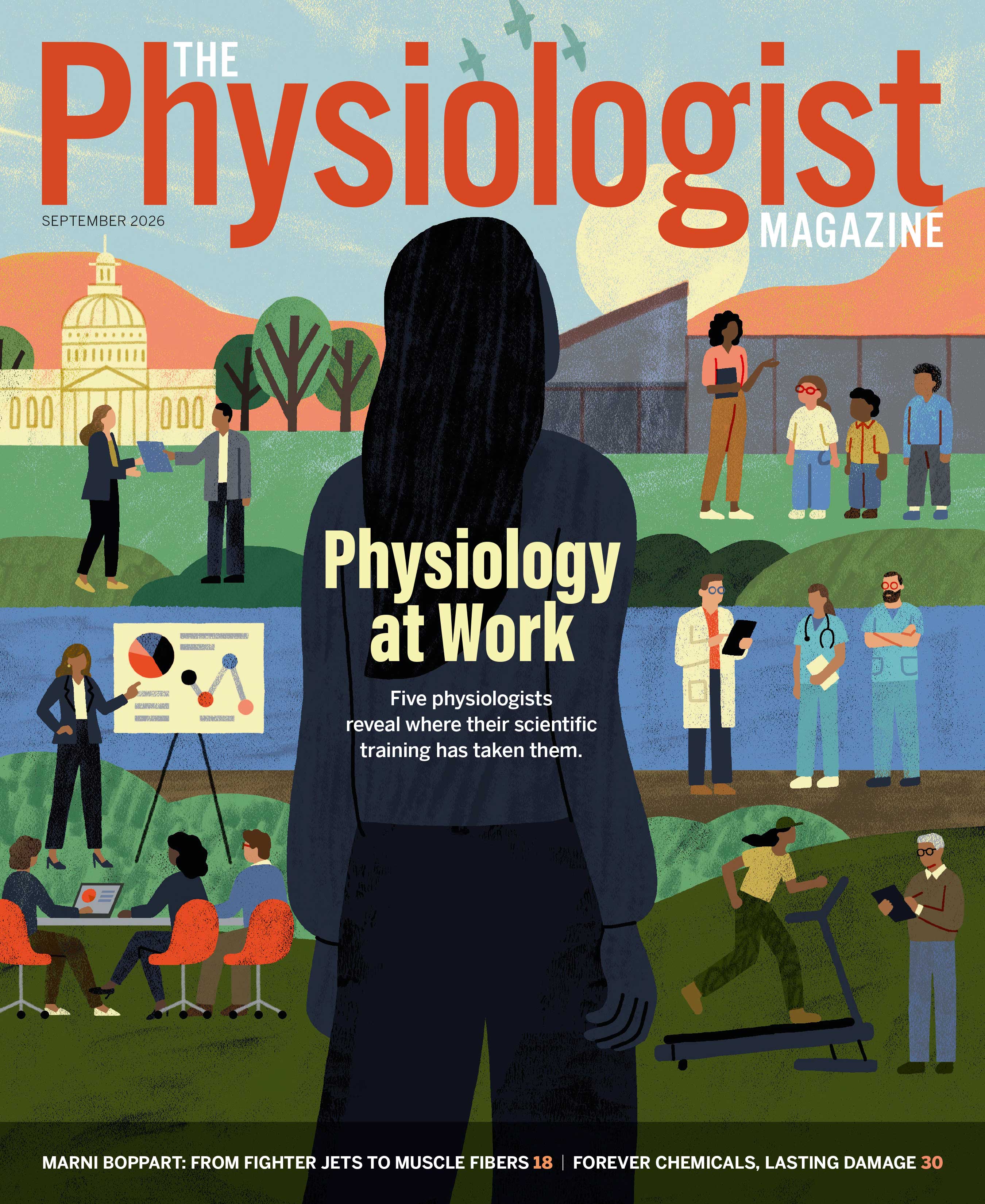
Read the Latest Issue
Don’t miss out on the latest topics in science and research.
Contact Us
For questions, comments or to share your story ideas, email us or call 301.634.7314.