- Membership & Community
-
Publications & News
- Physiology Journals
-
Newsroom
-
The Physiologist Magazine
- 2019
- 2020
- 2021
- 2022
- 2023
- 2024
-
In Depth
- In Depth—The Bear Necessities
- In Depth: Understanding Circadian Rhythms
- In Depth: Understanding Data
- In Depth: Exercise Physiology: Take Your Medicine at the Gym
- In Depth: Neurodegenerative Disorders
- Imaging Methods Unveil the Invisible
- Rewiring the Brain: Breakthroughs in Neural Therapy
- What’s Coming Next for GLP-1 and Metabolic Disease Treatment
- Understanding the Effects of Maternal Exercise
- How Muscles May Hold Cues to Better Sleep
- The Science Behind Breathwork and Mental Health
- How Science is Reframing Aging and Disease
- How Exercise Supports Brain Health Across the Lifespan
-
Mentoring Forum
- Net Worth
- Take Care
- You … In Charge
- Work. It. Out.
- Working Off-site
- Location, Location, Location?
- Student Support
- Progressing to Postdoc
- Relationship Building
- Let’s Get It Started
- What Do We Value?
- It’s a Postdoc Life
- Coronavirus Contributions
- Creative Communications
- Selection Process
- Conference Connections
- Postdoc Appreciation
- Research Rewards
- Focus on Teaching
- Industry Insights
- Balance Beam
- Post Postdoc
- If You Build It
- Talk It Through
- Forward Bound
- I’ve Earned My PhD. Now What?
- University Life
- Tips for Trainees
- Time Travel
- Prepare Now for the Career You Want
- Landing a Postdoctoral Researcher Position
- Becoming a Physician-Scientist
- Mastering the Art of Science Communication
- Setting Yourself Up for Success in the Lab
- From Postdoc to Professor: Key Strategies for Success
- How to Stay Motivated in Challenging Times
- Staying Motivated Throughout Your Science Career
- Managing Stress and Workload During Your PhD
- Stay Passionate About Your Physiology Career
- Advice for Science Trainees in Uncertain Times
- What Career Success Looks Like for Scientists Today
-
Policy IQ
- Policy IQ—2023 in Review: How APS Advocated on Behalf of Physiologists
- Policy IQ—Supporting Equitable Research
- NIH's Road Map to a Better Postdoc Experience
- The Career Path to Science Advocacy
- Culture of Safety: Stopping Sexual Misconduct
- Physiologists Return to Capitol Hill
- Tips for Scientists to Communicate about Animal Research
- Science Advocacy in a New Political Landscape
- Tips for Making the Call to Congress
- Science Spending Is an Investment
- Advocacy Up Close and Personal
- How Animal Research Advances Physiology and Medicine
- 5 Ways Physiologists Advocated for Science in a Challenging Year
- How Federal Grantmaking Is Reshaping Research Funding
-
Publish with Polish
- Publish with Polish
- The Layers of Open Science
- Take Your Content From Meeting to Manuscript
- APS Journals to Highlight Women’s Health Research
- What Subscribe to Open Means for APS Members
- The 5 Pillars of Publish with Purpose
- 3 Types of Metadata Researchers Should Know About
- Navigating Open Access and New Licensing Options
- Journal Manuscript Prep Made Easy
- How to Navigate Public Access Requirements
- Ensuring Public Trust in Publishing
- Improve Your Scientific Figures With APS and BioRender
- How APS Subscribe to Open Supports Accessible Research
- Meet APS Publications at the Summit
-
Under the Microscope
- Equine Inspiration
- Inquiring Minds
- The Power of Teaching
- The Love of Physiology
- Understanding Women's Physiology Across the Lifespan
- Studying Human Health in Extreme Environments
- Advancing Kidney Health and Physiology Research
- How Gut Microbes Shape Blood Pressure and Drug Response
- Battling Malaria
- Exploring the Microbiome
- From Physics to Physiology: A Scientist's Unconventional Journey
- Finding Meaning in Exercise Physiology and Healthy Aging
- From Classroom Curiosity to Scientific Discovery
- Mentoring Q&A
- Evolution
- Baseline by Scott Steen, CAE, FASAE
- 2025
- 2026
- Find Us on Social Media
-
The Physiologist Magazine
-
Professional Development
-
Meetings & Events
-
American Physiology Summit
- #APS2024 Overview
- Abstracts
- Awards at the Summit
- Award Lectures
- Career Networking Lunch Form
- Dates and Deadlines
- Hotel Information
- International Travel Information for Summit Attendees
- Industry Partners
- Mobile App
- Physical Poster Information
- American Physiology Summit PhysioHub
- Pre-Summit Events
- Registration
- Section & Group Banquet Tickets
- Social Events
- Speaker Audiovisual Instructions
- Summit FAQs
- Travel & Transportation
- Undergraduate Program Book
- Liability Waiver
- Joseph Erlanger: Pioneering Nerve Research and APS Leadership
- Scientific Integrity Policy
- Exhibitor Registration Form
- Keynote Speaker Tracy L. Bale, PhD
- Keynote Speaker Jennifer Lippincott-Schwartz, PhD
- Career Day Workshop: Own Your Path, Positioning for the Career That Fits You
- Summit Status and Safety Update
- From Concept to Classroom
- Control of Renal Function in Health and Disease
- Comparative Physiology Conference
- Signals and Systems: Interorgan Communication in Health and Disease Conference
- Webinars
- Future APS Conferences
- Conference Policies
-
American Physiology Summit
- APS Awards
-
Career & Professional Development
-
Career Gateway
-
Resources
- Transcript—Leading Through Conflict and Difficult Conversations
- Transcript—Managing Conflict with Colleagues
- Transcript—Leading a Team Through Conflict
- Transcript—Providing Difficult Feedback
- Transcript—Team Dynamics and Culture Primer
- Transcript—Building a Team
- Transcript—Leading a Team Assigned to You
- Transcript—Creating a Team Culture
-
Resources
- Career Navigator
- Center for Physiology Education
- Virtual Courses
- Physiology Job Board
- APS Graduate Physiology & Biomedical Science Catalog
-
Career Gateway
-
Meetings & Events
-
Advocacy & Resources
- Science Policy
-
Resources
- Researcher Resources
- Educator Resources
- Trainee Resources
- Student Resources
-
APS Graduate Physiology & Biomedical Science Catalog
- Des Moines University
- George Washington University
- New York Medical College
- Pennsylvania State University
- Texas A&M University
- Texas A&M University Medical Physiology
- University of Alabama at Birmingham
- University at Buffalo
- University of Colorado
- University of Michigan
- University of Minnesota
- University of Missouri-Pathobiology and Integrative Biomedical Sciences
- University of Nebraska Medical Center
- University of Nevada, Reno
- University of South Carolina School of Medicine
- University of Tennessee Health Science Center (UTHSC)
- University of Texas Health Science Center
- Virginia Commonwealth University
- Wayne State University
- Physiology Department Catalog Submission Form
- Boston University
- Career Gateway
- Major Initiatives
- About APS
May 24, 2023
11 a.m. EDT
APS Members watch the recorded webinar
In our second webinar about mentoring, panelists will follow up on requests from attendees to expand on best practices. Speakers will share their tips for being a good mentor who is culturally aware, share how to find good mentors and explain how mentorship can lead to networking within and beyond your institution. Panelists will share their personal experiences on setting expectations for the mentor and mentee.
Key Learning Objectives
After participating in this webinar, attendees will be able to:
- define what a mentor is and describe traits of a good mentor,
- describe what it means to be a culturally aware mentor,
- know how to set expectations for their mentor and mentee(s), and
- describe what an appropriate mentee-mentor relationship looks like.
Moderator
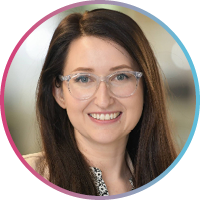
Erica C. Heinrich, PhD, is an assistant professor in the Division of Biomedical Sciences at the University of California Riverside School of Medicine. Her research interests include the integrative physiology of adaptation to chronic hypoxia with a focus on plasticity in ventilatory control. Heinrich has helped build faculty mentorship programs and has led workshops on inclusive teaching practices. Heinrich serves on the American Physiological Society’s Women in Physiology Committee.
Panelists
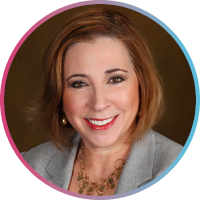 Sonia C. Flores, PhD, is currently a professor and vice chair for diversity and justice in the Department of Medicine at the University of Colorado Anschutz Medical Campus. She received her BS in biology from the University of Puerto Rico and her PhD from the University of South Alabama. Flores grew up in Puerto Rico and has developed several National Institutes of Health-funded pipeline programs increase the number of underrepresented individuals who enter the sciences and pursue academic research careers. She is passionate about building programs that support equity, diversity and inclusion and enhance career development and educational prospects.
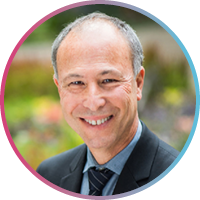 Mitchell D. Feldman, MD, MPhil, FACP, is a professor of medicine, associate vice provost for faculty mentoring and chief of the Division of General Internal Medicine at the University of California, San Francisco (UCSF). He founded and directs the UCSF faculty mentoring program for over 3,000 faculty. Feldman’s research has shown that mentoring is key to more productive and satisfying careers for academic health sciences faculty. He graduated Phi Beta Kappa from Johns Hopkins University in Baltimore, has an MPhil from Cambridge University, England, and completed his MD and internal medicine training at UCSF. Feldman is the former co-editor-in -chief of the Journal of General Internal Medicine and is the co-editor of the textbook “Behavioral Medicine: A Guide for Clinical Practice.”